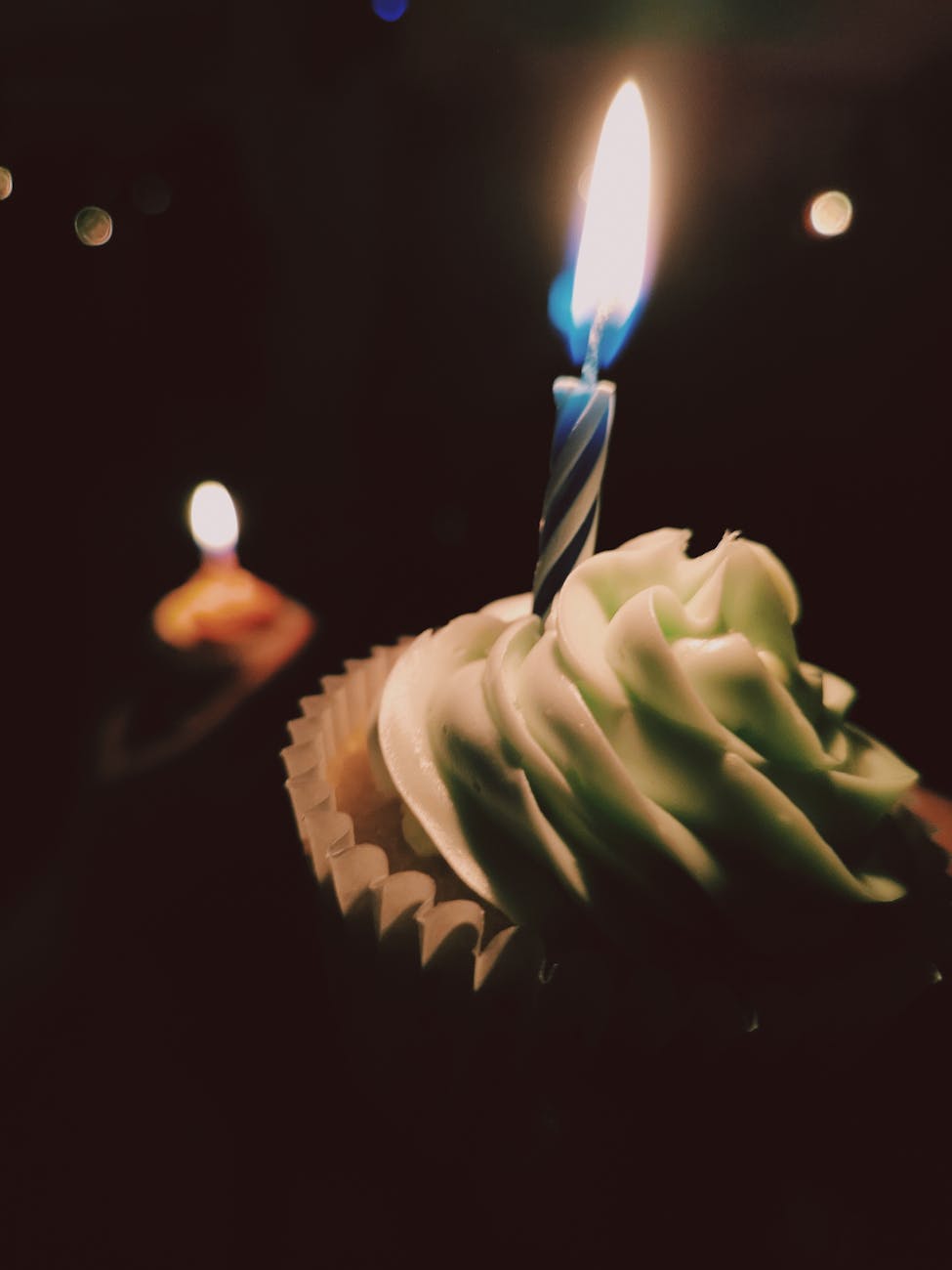
On Easter Monday this year, I turned 28 years old. While I’m not harbouring feelings of resentment, unhappiness, melancholy or pride, I do feel a difficult swirling of emotions throughout my body as this realization of getting older settles into me. Maybe this is what resigned acceptance feels like—a sort of inevitability similar to seeing the sun rise day after day.
In some ways, I’m excited to be one year closer to being free from my twenties. Not that this almost decade hasn’t been wonderful, but rather that there’s such a pressure, much like in your high school days, that these will be the best years of your life. In some ways, my twenties have been. I’ve grown and changed far more than I ever could have imagined. I survived a global pandemic, shifting careers, an intellectually challenging undergraduate and the loss of significant relationships. That in itself is worth celebrating.
But at the same time, it feels as though my twenties are never-ending, like I’m constantly on the cusp of the next phase of life. It’s akin to that feeling of being seventeen and almost free from adolescence, and yet still being stuck at home doing chores and unable to vote. There are layers of grief embedded there, the mourning of my changing self and the various versions of me I will never see come to fruition. I think knowing yourself comes in stages, and like grief, a big part of that is learning to let go.
The urge to be perfectly managed and put together is loosening its grip on me as I watch my body shake off the remnants of my chubby-cheeked and lanky-limbed youth. I think that’s a blessing. Watching my face become more angular and my hair darken has done wonders for my sense of self, even though I catch myself over-examining the adult contours of my body and face.
But before I know it, my twenties will be slipping away from me, and I’ll be entering the world of my thirties. In some ways, I feel more excited for this prospect. As if turning this corner on age will bring me to some new stage of enlightenment—it won’t, but I fantasize that it does. I honestly believe my forties and fifties will be some of my best years. Maybe it’s just my attitude towards aging and growing old, which runs fairly contrary to the societal expectation that women specifically should fear and mourn their aging minds and bodies. But I genuinely think that by the time I’m pleasantly sitting in middle age, I will be the happiest and most content I could imagine, not because of any outstanding achievement, but because I will know myself far better by then.
Sure, at 28, I know I’m wiser than I used to be, but I’m also more aware of my limited wisdom and intelligence. I also find myself more aware of my fears. When we’re young and dumb, we feel invincible, as if nothing could harm or touch us because of this thin veneer of youth. But now, as I gain more perspective on just how vulnerable I was when I was younger, that veil of indestructability is slipping more and more, and I find myself feeling afraid.
And that’s not a bad thing; more than anything, I think that says a lot about how I value my own life and how I’ve come to see myself as precious. At 28, I’m more scared of death than I’ve ever been, but I also want to live more than I ever have. Death is no longer this romantic fantasy of escape from reality; it’s a laborious, long, and ultimately fleeting thing, and I know this well.
As of writing this, it’s been 14 years since my father committed suicide, and at 28, I’m still not over it. I don’t think I’ll ever get over it. But I’m alive, and I can feel that grief shift and change as the years add distance between us. It’s inevitable that time will go on, in the same way that it is inevitable that children will (hopefully) outlive their parents, that beloved pets will die, and that the sun will rise tomorrow.
It’s enough to just exist in this state of complicated acceptance.

 CupsOfSilver
Leave a comment